Aesthetic Treatment in London: What You Need to Know. Aesthetic treatment in London has become increasingly popular as more individuals seek to enhance their appearance and boost their self-confidence. Whether you’re considering non-surgical procedures like fillers or more invasive options such as surgical facelifts, understanding the various aspects of aesthetic treatments is crucial. This blog post aims to provide you with comprehensive information on what you need to know before embarking on your aesthetic journey in the bustling capital.
Understanding Aesthetic Treatments
Aesthetic treatments encompass a diverse array of procedures aimed at enhancing physical appearance. These can be broadly divided into non-surgical and surgical categories. Non-surgical options include injectables such as Botox and dermal fillers, which can smooth wrinkles and restore lost volume, respectively. Other non-invasive treatments include chemical peels that exfoliate the skin to reveal a fresher complexion, and laser therapies that target various skin concerns such as pigmentation and scarring.
On the other hand, surgical aesthetic treatments offer more permanent solutions but come with longer recovery times. Common procedures include liposuction for fat removal, breast augmentation to alter size or shape, and rhinoplasty for nose reshaping. Each treatment type has its unique benefits and limitations, making it essential to choose based on individual needs and desired outcomes.
Additionally, the technology and methods used in aesthetic treatments are constantly evolving, with newer, less invasive options becoming available. For instance, thread lifts offer a subtler alternative to traditional facelifts, and CoolSculpting provides a non-surgical option for fat reduction by freezing fat cells.
It’s also worth noting that combination treatments are becoming more popular. These involve the use of multiple procedures, often blending non-surgical and surgical options, to achieve a more comprehensive enhancement. This approach can offer more balanced and natural-looking results, catering to the growing demand for subtle improvements.
Understanding the scope and specifics of various aesthetic treatments can help you make an informed decision. With advancements in both non-surgical and surgical techniques, there are numerous options to address nearly any aesthetic concern, allowing for a highly personalised treatment plan tailored to individual goals and needs.
Popular Aesthetic Treatments in London
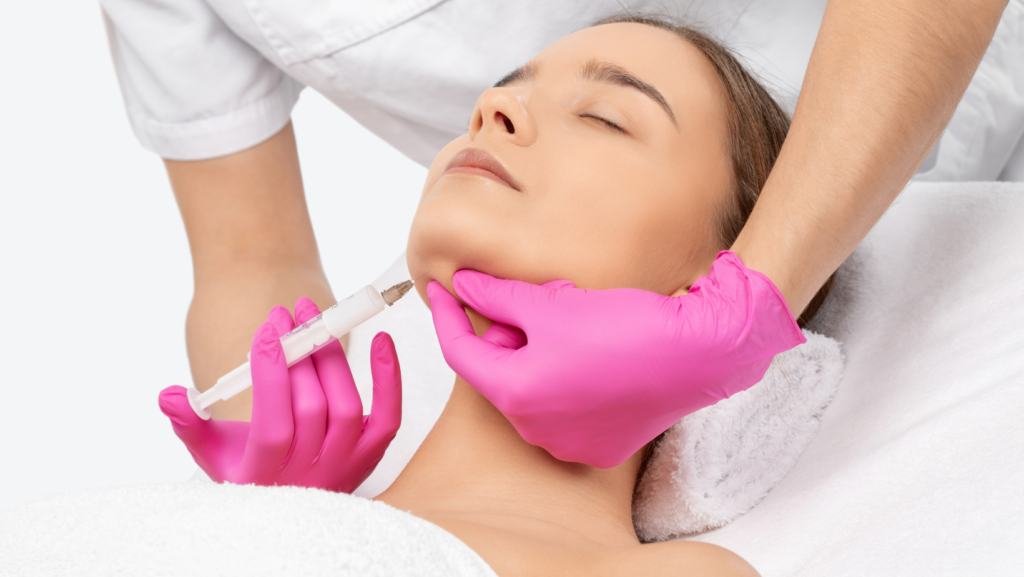
London stands as a premier destination for a wide range of aesthetic treatments, attracting individuals seeking both subtle enhancements and more transformative procedures. Among the most favoured non-surgical options are Botox injections, known for their efficacy in smoothing out fine lines and wrinkles, and dermal fillers, which are commonly used to restore volume to the cheeks, lips, and under-eye areas.
Skin rejuvenation techniques such as chemical peels and laser treatments also enjoy widespread popularity, helping to address issues like pigmentation, scarring, and uneven skin tone. Advanced laser therapies can treat multiple skin concerns with minimal downtime, making them a convenient choice for those with busy lifestyles.
Body contouring treatments have gained substantial traction, with non-invasive options like CoolSculpting offering fat reduction through cryolipolysis. This procedure involves freezing fat cells, which are then naturally eliminated by the body. For those seeking more immediate results, liposuction remains a popular surgical option for targeted fat removal and body reshaping.
Another growing trend is the use of thread lifts, a minimally invasive procedure that offers a subtler alternative to traditional facelifts by lifting and tightening sagging skin using dissolvable threads. This method is particularly appealing to those looking for a quick recovery with lasting results.
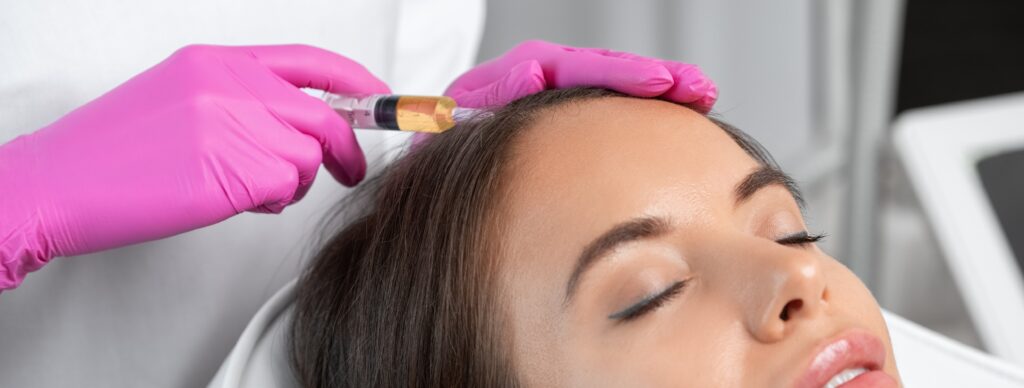
Microneedling, often combined with PRP (Platelet-Rich Plasma) therapy, has also become a sought-after treatment for its ability to stimulate collagen production and improve skin texture. This combination treatment is praised for its rejuvenating effects, offering a more youthful and radiant complexion.
With such a diverse array of aesthetic treatments available, London provides ample opportunities to tailor a treatment plan that aligns perfectly with individual beauty goals.
Choosing the Right Clinic
Selecting a clinic for aesthetic treatment in London involves careful consideration of several key factors to ensure a satisfactory experience. Start by researching the clinic’s reputation through online reviews and testimonials from previous clients. Personal recommendations from friends or family members who have had positive experiences can also be invaluable.
Assess the range of services offered to ensure the clinic provides the specific treatments you are interested in. It’s important to visit the clinic’s website or contact them directly to enquire about their offerings and any specialisations they may have. Another crucial factor is the professionalism and approachability of the clinic’s staff. A welcoming and knowledgeable team can significantly enhance your comfort and confidence throughout the process.
When you visit the clinic, observe the cleanliness and organisation of the premises. A clean and well-maintained environment is often a good indicator of the clinic’s overall standards and commitment to patient safety. Additionally, consider the location and convenience of the clinic. Ideally, it should be easily accessible, particularly if your treatment requires multiple visits or follow-up appointments.
Lastly, don’t hesitate to ask about the clinic’s adherence to health and safety regulations. Ensuring that they follow stringent protocols can provide peace of mind that you are in safe hands. Balancing these considerations can help you find a clinic that not only meets your aesthetic needs but also provides a professional and reassuring experience.
Qualifications and Expertise of Practitioners
When selecting a practitioner for your aesthetic treatment in London, their qualifications and expertise are paramount. It’s crucial to ensure that the practitioner is a certified medical professional, such as a dermatologist, plastic surgeon, or a trained aesthetic practitioner. Take the time to verify their credentials and experience, particularly in the specific treatment you are considering. Practitioners should ideally be registered with relevant professional bodies, such as the General Medical Council (GMC) for doctors or the British Association of Aesthetic Plastic Surgeons (BAAPS) for plastic surgeons. This affiliation not only underscores their professional standing but also their commitment to adhering to industry standards.
Experience is another vital factor. A practitioner who has performed numerous procedures will have honed their skills and be better equipped to handle any complications that might arise. Don’t hesitate to ask about their track record, including the number of similar treatments they’ve performed and any before-and-after photos of previous patients. This can provide a clearer picture of their expertise and the results you can expect.
In addition to formal qualifications and experience, consider the practitioner’s approachability and willingness to answer your questions. A good practitioner will take the time to discuss your goals, explain the available options, and outline the potential risks and benefits of each treatment. They should also be able to provide detailed information about the procedure, recovery time, and aftercare, ensuring you are well-informed at every stage of the process.
Lastly, it’s worth checking if the practitioner is up-to-date with the latest advancements in aesthetic treatments. Continuous professional development and training in new techniques can be a strong indicator of their dedication to offering the best possible care.
Consultation Process and What to Expect
The consultation process serves as a cornerstone in your journey towards aesthetic enhancement. During this session, the practitioner will assess your individual needs and goals, taking into account your medical history and any specific concerns you may have. This is your opportunity to ask detailed questions about the procedures you’re interested in, allowing you to gain a comprehensive understanding of the options available to you.
Expect the practitioner to conduct a thorough evaluation of the area you wish to treat, whether it’s your skin, face, or body. They will recommend suitable treatments tailored to your unique requirements, outlining the benefits and potential risks associated with each option. Visual aids, such as before-and-after photos of previous patients, may be used to give you a clearer idea of the expected outcomes.
A detailed discussion about the procedure will follow, covering aspects such as the technique, duration, and the type of anaesthesia, if any, that will be used. The practitioner will also inform you about the recovery process, including what to expect in terms of downtime and any necessary aftercare.
Financial considerations will also be addressed during the consultation. The practitioner or clinic staff will provide a breakdown of the costs involved and discuss any available payment plans or financing options to help manage the expense.
It’s important to approach this consultation with an open mind and be honest about your expectations. The practitioner’s goal is to ensure you are well-informed and comfortable with your chosen treatment plan, setting the stage for a successful and satisfying aesthetic journey.
Costs and Payment Options
The financial aspect of aesthetic treatments in London is an important consideration for many. Non-surgical treatments, such as Botox or dermal fillers, are typically more budget-friendly compared to surgical procedures like facelifts or liposuction. Prices can fluctuate based on the clinic’s location, the complexity of the procedure, and the practitioner’s level of expertise.
During your consultation, the clinic will provide a detailed breakdown of the costs involved. This should include not only the procedure itself but also any ancillary expenses such as follow-up visits, anaesthesia, and aftercare products. It’s essential to have a clear understanding of the total cost to avoid unexpected expenses later.
Many clinics recognise that aesthetic treatments can be a significant investment and offer various financing options to make them more accessible. These may include interest-free payment plans, extended financing with low-interest rates, or packages that combine multiple treatments at a discounted rate. Be sure to ask about these options during your consultation to find a plan that suits your budget.
Additionally, some clinics may offer loyalty programmes or seasonal promotions, providing opportunities to save on future treatments. It’s worth enquiring about any current offers or discounts that could make your desired procedure more affordable.
Lastly, keep in mind that while cost is an important factor, it should not be the sole determinant in your decision-making process. The expertise of the practitioner and the quality of care you receive are paramount to achieving the best possible results. Prioritise finding a reputable clinic and qualified practitioner to ensure your investment leads to satisfactory and safe outcomes.
Post-Treatment Care and Recovery
The success of your aesthetic treatment in London doesn’t end when you leave the clinic; post-treatment care and recovery are vital to achieving the best possible results. Following the specific aftercare instructions provided by your practitioner is essential, as these guidelines are tailored to the type of treatment you’ve undergone. For instance, if you’ve had injectables like Botox or dermal fillers, you may be advised to avoid strenuous exercise, alcohol, and extreme temperatures for a short period to minimise swelling and bruising.
Surgical procedures require more intensive aftercare. You may need to take time off work and limit physical activities to allow your body to heal properly. Your practitioner will likely prescribe medications to manage pain and prevent infection. Keeping the surgical site clean and dry is crucial, and you may need to attend follow-up appointments to monitor your progress and remove any stitches.
Regardless of the treatment type, hydration and a healthy diet can promote faster recovery and better skin health. Using recommended topical treatments can also aid in healing and enhance the final results. Sun protection is particularly important post-treatment; procedures like chemical peels and laser treatments can make your skin more sensitive to UV rays.
Swelling, redness, and minor discomfort are common after many aesthetic treatments, but these symptoms usually subside within a few days to weeks, depending on the procedure. Always report any unusual or prolonged symptoms to your practitioner immediately. By adhering to these post-treatment care guidelines, you can ensure a smoother recovery process and maximise the benefits of your aesthetic enhancement.
Potential Risks and Side Effects
All aesthetic treatments, whether non-surgical or surgical, carry inherent risks and potential side effects. Non-surgical treatments such as injectables can lead to temporary swelling, bruising, and redness at the injection site. There is also a risk of allergic reactions or unintended effects like asymmetry. More advanced complications, although rare, could include infections or migration of fillers.
Surgical procedures tend to have more significant risks due to their invasive nature. Patients may experience complications such as excessive bleeding, infection, scarring, and adverse reactions to anaesthesia. Additionally, there is the potential for dissatisfaction with the aesthetic outcome, necessitating further corrective procedures.
It’s also important to consider the psychological impact. While many individuals feel more confident post-treatment, some may experience regret or heightened anxiety, especially if the results do not meet their expectations.
Pre-existing medical conditions can influence the likelihood of complications, and certain lifestyle factors such as smoking can impair healing and increase risks. Therefore, a thorough pre-treatment consultation is essential to identify any potential contraindications and tailor the treatment plan accordingly.
Some side effects may not manifest immediately and could appear days or even weeks after the procedure. This delayed onset requires ongoing vigilance and adherence to aftercare instructions. Always report any unusual symptoms to your practitioner promptly to address issues early.
Understanding these risks and discussing them openly with your practitioner can help mitigate potential complications, allowing for a more informed and safer aesthetic journey.
Real Patient Experiences and Testimonials
Real patient experiences and testimonials provide invaluable insights into the real-world outcomes of aesthetic treatments. Many clinics feature detailed testimonials and striking before-and-after photos on their websites, giving prospective patients a glimpse into the results they can expect. These stories often highlight the emotional and psychological benefits of undergoing aesthetic procedures, adding a personal touch to the clinical information provided during consultations.
Exploring online forums and social media groups can also be enlightening. These platforms allow individuals to share their journeys, offering candid opinions about the treatments they’ve received, the clinics they’ve visited, and the practitioners they’ve consulted. This peer-to-peer advice can be particularly helpful for those who are apprehensive or uncertain about which treatment to choose.
When reading testimonials, pay attention to recurring themes. Positive feedback often emphasises the professionalism and empathy of the staff, the cleanliness and modernity of the facilities, and the quality of post-treatment care. Conversely, negative experiences might flag up issues such as inadequate information provision, unexpected side effects, or dissatisfaction with the final results.
It’s also beneficial to watch video testimonials if available, as they can provide a more nuanced view of the patient experience. Seeing and hearing someone describe their journey can offer reassurance and give a more comprehensive understanding of what to expect.
Remember to critically evaluate the sources of these testimonials. Verified reviews on reputable websites are generally more reliable than unverified comments on social media. By considering a range of patient experiences, you can gain a more balanced and thorough understanding of what your aesthetic treatment journey might entail.
Trends and Innovations in Aesthetic Treatments
The realm of aesthetic treatment in London is advancing rapidly, introducing a range of cutting-edge technologies and techniques aimed at improving patient outcomes and satisfaction. One notable trend is the shift towards non-invasive and minimally invasive procedures, such as thread lifts and advanced laser treatments, which offer substantial results with reduced downtime. These methods are particularly appealing to those seeking effective solutions without the extensive recovery associated with traditional surgery.
Another significant innovation is the development of combination treatments, which integrate multiple modalities to achieve comprehensive results. For example, pairing microneedling with PRP (Platelet-Rich Plasma) therapy has gained traction for its enhanced skin rejuvenation effects. This holistic approach allows practitioners to address multiple concerns simultaneously, delivering more balanced and natural-looking outcomes.
The use of technology has also expanded, with AI-driven tools aiding in personalised treatment plans. Advanced imaging systems can simulate potential results, helping patients visualise the outcomes before committing to a procedure. This technological integration ensures a higher degree of precision and customisation.
Additionally, the emphasis on natural-looking results continues to grow. Techniques such as micro-Botox and subtle fillers are designed to enhance rather than dramatically alter one’s appearance, aligning with the increasing demand for understated beauty enhancements.
Sustainability is another emerging focus, with eco-friendly practices and cruelty-free products becoming more prevalent. Clinics are adopting greener protocols, from using biodegradable materials to offering treatments with ethically sourced ingredients, reflecting a broader societal shift towards sustainability in all aspects of life.
Legal and Ethical Considerations
Navigating the legal and ethical landscape of aesthetic treatments is crucial for ensuring both safety and satisfaction. Practitioners are bound by strict regulations, which include maintaining up-to-date licences and adhering to professional standards. Before undergoing any procedure, verify that your chosen practitioner is accredited by relevant bodies, such as the General Medical Council (GMC) for medical doctors or the British Association of Aesthetic Plastic Surgeons (BAAPS) for plastic surgeons.
Informed consent is a key ethical requirement. Practitioners must provide comprehensive information about the procedure, potential risks, and realistic outcomes, enabling you to make a well-informed decision. It’s also their responsibility to uphold patient confidentiality and maintain a high standard of care throughout your treatment journey.
The rise of social media has brought increased scrutiny to the marketing practices within the aesthetic industry. Ethical clinics avoid misleading advertisements and place a strong emphasis on transparency. They should not exploit patient vulnerability or create unrealistic beauty standards. If something seems too good to be true, it probably is, so always exercise caution and due diligence.
By prioritising legal compliance and ethical integrity, reputable clinics foster trust and ensure a safer, more positive experience for their patients.
Making an Informed Decision
Making an informed decision about aesthetic treatment in London involves several key steps. Begin by thoroughly researching the types of treatments that interest you, considering both non-surgical and surgical options. It’s essential to understand the benefits, risks, and recovery times associated with each procedure. Schedule consultations with qualified practitioners to discuss your goals and receive personalised advice. During these consultations, ask about the practitioner’s experience, review before-and-after photos, and seek information on potential side effects and post-treatment care.
Financial considerations are also crucial. Compare costs and explore any available payment plans or promotions that may help manage the expense. Reading real patient testimonials can offer valuable insights into the experiences of others, helping you set realistic expectations.
Stay informed about the latest trends and innovations in aesthetic treatments, as new technologies and techniques can offer enhanced results with less downtime. Lastly, ensure that your chosen clinic adheres to stringent legal and ethical standards, prioritising patient safety and transparency. By taking these steps, you can confidently embark on your aesthetic journey with a clear understanding of what to expect.