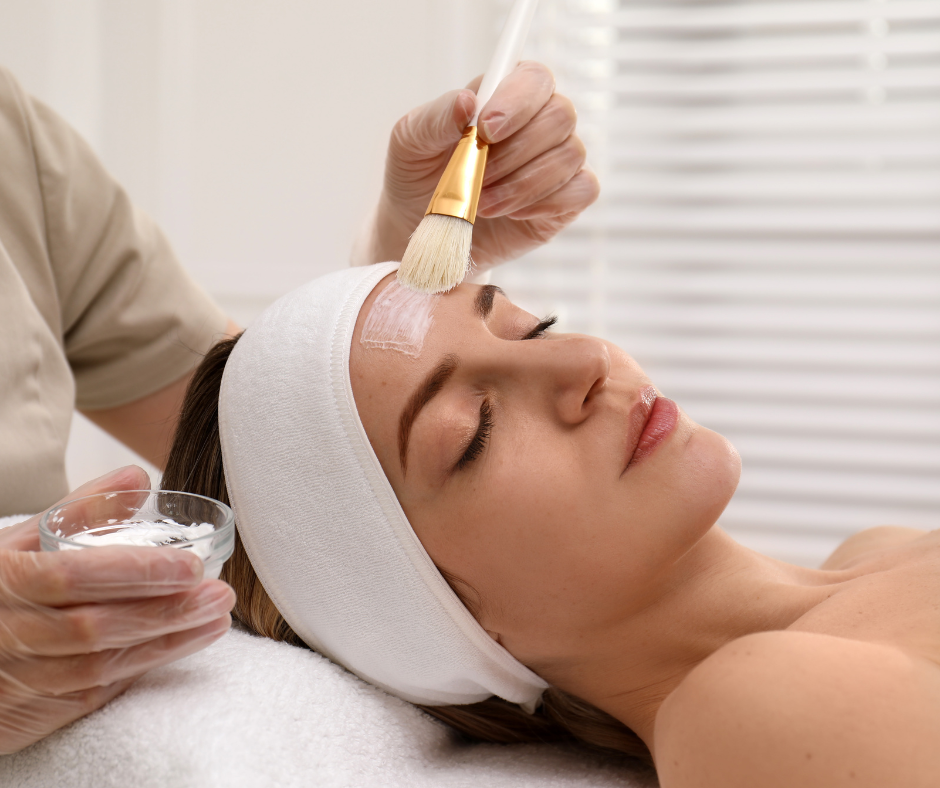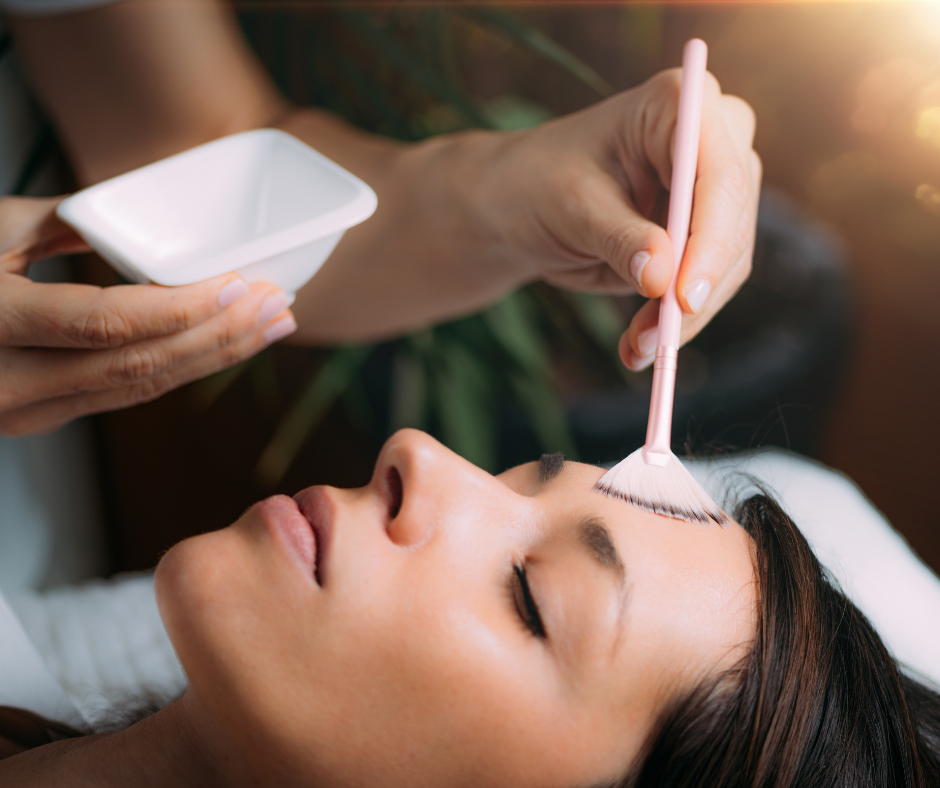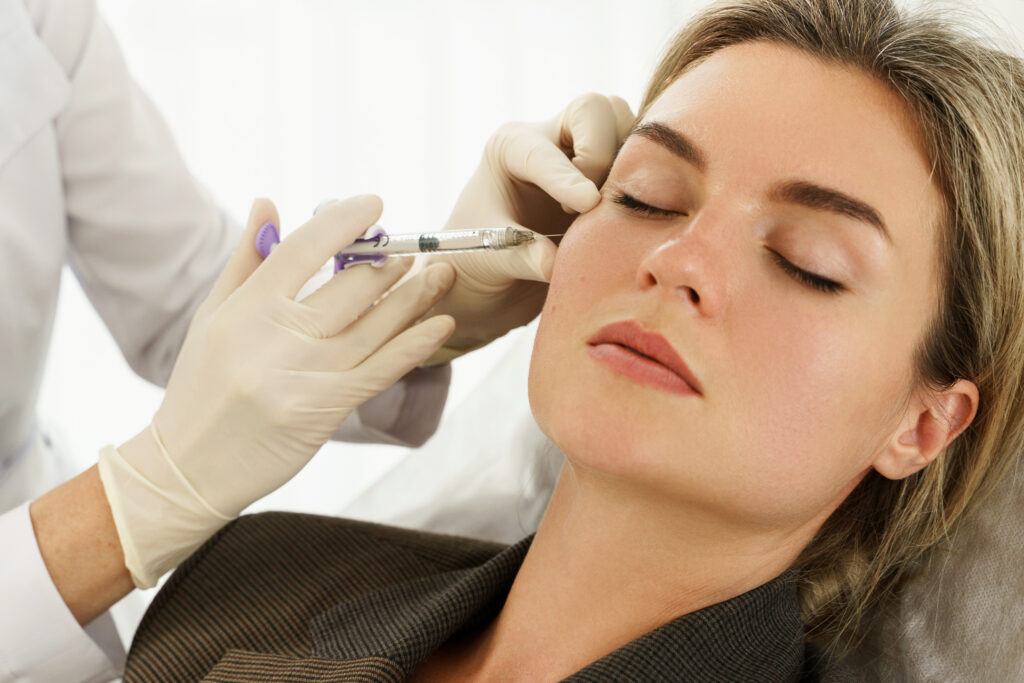
In the bustling metropolis of London, the quest for youthful, radiant skin is more popular than ever. Many are turning to advanced cosmetic solutions like anti-ageing injections to achieve a more youthful appearance. With treatments like BOTOX® becoming household names, these injections offer a non-surgical method to reduce the signs of ageing, particularly around the face and neck. BOTOX® is a popular choice among both men and women who wish to diminish wrinkles and frown lines.
What Are Anti-Ageing Injections?
Anti-ageing injections are cosmetic treatments designed to reduce the visible effects of ageing on the skin. They work by relaxing facial muscles, smoothing out wrinkles, and restoring volume to the face. These treatments are not confined to a specific demographic; BOTOX® patients can be of any age or gender, and the popularity of the treatment is increasing every year.
Various substances can be used in these injections, each targeting different aspects of ageing. The primary types include neuromodulators, like BOTOX®, which reduce muscle activity to soften wrinkles, and dermal fillers, which add volume to areas of the face that have lost fullness over time. Both types of injections can be used to target common areas of concern such as crow’s feet, forehead lines, and nasolabial folds.
One of the main appeals of anti-ageing injections is their non-invasive nature. Unlike surgical procedures, these treatments involve minimal discomfort and require little to no downtime, allowing patients to resume their daily activities almost immediately. The effects are usually noticeable within a few days and can last several months, making them a convenient option for those with busy lifestyles.
Safety and efficacy are paramount, so it’s crucial to undergo these treatments with a qualified professional. In London, many clinics offer these services, but it’s essential to choose one with a solid reputation and experienced practitioners to ensure optimal results.
Benefits of Anti-Ageing Injections
Anti-ageing injections offer a multitude of benefits beyond just improving one’s appearance. One of the most significant advantages is their non-invasive nature, making them an ideal choice for those who prefer to avoid surgery. These injections allow individuals to achieve a more youthful look without the risks associated with surgical procedures. The convenience of the treatment is another notable benefit. Sessions are typically quick, often completed within an hour, and require minimal downtime. This means you can easily fit an appointment into your busy schedule and return to your daily activities almost immediately.
The results of anti-ageing injections are also impressive. They offer almost immediate improvements, with the effects becoming noticeable within a few days. The longevity of the results varies but generally lasts several months, providing a longer-term solution compared to many topical treatments. Additionally, the subtle nature of the changes allows for a natural enhancement, avoiding the ‘frozen’ look that some fear.
Another advantage is the versatility of these treatments. Anti-ageing injections can target a variety of concerns, from smoothing out wrinkles and fine lines to restoring lost volume in the face. This makes them suitable for treating multiple areas in one session, offering comprehensive facial rejuvenation.
The psychological benefits should not be underestimated either. Many individuals report increased self-confidence and satisfaction with their appearance following treatment. This boost in self-esteem can have a positive impact on various aspects of life, from personal relationships to professional opportunities.
Lastly, the safety profile of anti-ageing injections is well-documented. When performed by a qualified practitioner, the risks are minimal, and the procedures are generally considered safe. This assurance of safety adds to the overall appeal, making anti-ageing injections a reliable option for those seeking youthful rejuvenation.
Common Types of Anti-Ageing Injections
There are several types of anti-ageing injections available, each with its unique properties and applications. BOTOX® is widely known for its ability to temporarily reduce muscle activity and smooth wrinkles. This neuromodulator works by blocking nerve signals to the muscles, preventing them from contracting and thereby reducing the appearance of dynamic wrinkles caused by facial expressions.
Another prevalent option is dermal fillers, which are primarily used to restore lost volume and enhance facial contours. These fillers often contain hyaluronic acid, a substance naturally found in the skin that helps maintain hydration and elasticity. They can be particularly effective for plumping up areas like the cheeks, lips, and under-eye hollows, which may lose fullness with age.
In addition to BOTOX® and dermal fillers, other neuromodulators like Dysport® and Xeomin® offer similar benefits. These alternatives may vary slightly in terms of formulation and longevity of results, providing options for patients with different needs and preferences.
Sculptra® is another injectable treatment that differs from traditional fillers. Instead of providing immediate volume, it works by stimulating the body’s collagen production over time. This gradual process results in a more natural-looking enhancement and can offer longer-lasting results compared to some other injectables.
Each type of injection has its specific uses and advantages, and the choice of treatment often depends on the individual’s unique concerns and desired outcomes. Consulting with a qualified practitioner is essential to determine the most suitable option, ensuring a tailored approach to achieving youthful rejuvenation.
The Procedure: What to Expect
Undergoing an anti-ageing injection procedure is relatively straightforward and efficient. To begin with, you’ll have a consultation with your practitioner to discuss your aesthetic goals and assess your suitability for the treatment. During this discussion, the practitioner will evaluate your skin, identify the target areas, and explain the types of injections that may be most beneficial for you.
Once you’re ready for the procedure, the practitioner will clean the targeted areas to ensure a sterile environment. Depending on the sensitivity of the injection sites, an anaesthetic cream may be applied to minimise any discomfort. The actual injection process involves a series of small, precise injections into the specified areas of the face or neck.
The entire procedure typically takes less than an hour, making it a convenient option for those with busy schedules. Most patients experience minimal discomfort, likened to a slight pinprick sensation. Your practitioner will carefully administer the injections to ensure even distribution and natural-looking results.
Immediately after the procedure, it’s common to experience some mild redness, swelling, or bruising at the injection sites. These side effects are usually temporary and should subside within a few hours to a couple of days. Your practitioner may provide you with specific aftercare instructions to follow, which are crucial for maximising the benefits of the treatment and ensuring optimal results.
You might be advised to avoid strenuous activities, alcohol consumption, and excessive sun exposure for a short period post-treatment. It’s also essential to refrain from touching or massaging the treated areas to prevent the injected substance from migrating to unintended areas.
Finding the Right Clinic in London
Selecting the ideal clinic for anti-ageing injections in London is paramount for achieving the best results. Begin by researching clinics with a strong reputation and proven track record in cosmetic treatments. Online reviews and testimonials can provide valuable insights into the experiences of previous clients. Additionally, consider the qualifications and experience of the practitioners. It’s crucial that the professionals administering the injections are certified and have extensive experience in the field of aesthetic medicine.
When narrowing down your choices, it’s beneficial to book consultations with a few different clinics. This allows you to gauge the level of professionalism and care provided. During the consultation, don’t hesitate to ask about the specific brands and types of injections they use, as well as the training and experience of the staff. A reputable clinic will be transparent about their procedures and willing to address any concerns you might have.
Pay attention to the clinic’s hygiene standards and overall environment. The setting should be clean, well-maintained, and equipped with modern medical facilities. This is a good indicator of the clinic’s commitment to safety and quality care.
Word of mouth can also be incredibly helpful. Ask friends, family, or colleagues who have undergone similar treatments for their recommendations. Personal referrals often lead to discovering trusted practitioners who deliver excellent results.
Lastly, consider the location and convenience of the clinic. Choose a place that is easily accessible and fits well into your schedule. While the quality of care is the most important factor, logistical considerations can also impact your overall experience.
Remember, taking the time to find a reputable clinic with experienced practitioners will significantly enhance the safety and effectiveness of your anti-ageing treatments.
Potential Risks and Side Effects
Anti-ageing injections are generally safe when administered by qualified practitioners, but as with any cosmetic treatment, they do come with some risks and potential side effects. Common side effects include temporary bruising, swelling, or redness at the injection site. These minor effects usually subside within a few hours to a couple of days and can be managed with over-the-counter remedies and following aftercare instructions.
In some cases, patients might experience mild headaches or flu-like symptoms shortly after the treatment. These are typically short-lived and resolve on their own without the need for medical intervention.
More serious complications are rare but can occur. One such risk is the unintentional spread of the injected substance to adjacent muscles, which could result in unintended muscle weakness or drooping. For example, if BOTOX® spreads to the area around the eyes, it could cause temporary drooping of the eyelids or eyebrows. To minimise such risks, it’s crucial to follow your practitioner’s aftercare guidelines, such as avoiding rubbing or massaging the treated areas immediately post-injection.
Infection is another rare but possible risk. Ensuring that the procedure is carried out in a sterile environment by a certified professional significantly reduces this risk. Allergic reactions are also uncommon but can happen. Symptoms might include itching, rash, or swelling in areas beyond the injection site. If you experience any severe or prolonged symptoms, it’s important to seek medical advice promptly.
Always discuss any pre-existing medical conditions or medications with your practitioner before undergoing treatment, as these can influence the likelihood of side effects and complications. This open communication helps tailor the treatment to your specific needs, ensuring both safety and effectiveness.
How to Prepare for Your Appointment
Proper preparation can significantly enhance the effectiveness and safety of your anti-ageing injection treatment. Begin by discussing your medical history with your practitioner, including any medications or supplements you are currently taking. This is crucial as certain substances can increase the risk of bruising or interfere with the treatment’s effectiveness.
A few days before your appointment, it’s advisable to avoid blood-thinning medications and supplements such as aspirin, ibuprofen, and fish oil. These can exacerbate bruising and swelling. If you are unsure which medications to avoid, consult your practitioner for guidance.
Hydration is key. Drink plenty of water in the days leading up to your appointment to ensure your skin is well-hydrated. Proper hydration can improve the overall condition of your skin and may enhance the results of the injections.
On the day of your appointment, arrive with a clean face, free from make-up, lotions, or moisturisers. This ensures that the treatment area is sterile and reduces the risk of infection. Wear comfortable clothing, especially if you are having injections in areas like the neck, as this will make it easier for your practitioner to access the treatment sites.
It’s also beneficial to have a clear idea of your aesthetic goals. Take the time to think about what you want to achieve with the treatment and be ready to discuss this with your practitioner. Bringing along reference photos can be helpful in conveying your desired outcome.
Lastly, plan your day accordingly. While there is minimal downtime, you might experience some redness or swelling immediately after the procedure, so it may be best to avoid scheduling important events or meetings right after your appointment.
Aftercare Tips for Best Results
Proper aftercare is essential for maximising the benefits of your anti-ageing injections and ensuring long-lasting results. Immediately following your treatment, it’s advisable to keep your head elevated and avoid lying down for at least four hours. This helps prevent the injected substance from migrating to unintended areas. Ice packs can be applied to the treated areas to reduce any initial swelling or bruising.
Steer clear of rigorous physical activities and intense workouts for at least 24 hours post-treatment. Exercise can increase blood flow, which might exacerbate swelling and bruising. Additionally, it’s best to avoid hot environments such as saunas, steam rooms, or hot showers, as heat can also aggravate swelling.
Alcohol consumption should be limited for at least 24 hours following your treatment, as alcohol can thin the blood and increase the risk of bruising. If possible, avoid smoking as well, as it can hinder the healing process and negatively affect your skin.
Your practitioner may recommend specific skincare products to use in the days following your treatment. These products can help soothe the skin and enhance the effects of the injections. It’s also beneficial to maintain a regular skincare routine that includes gentle cleansing, moisturising, and sun protection. Using a broad-spectrum sunscreen with at least SPF 30 is crucial, as it will protect your skin from harmful UV rays, which can accelerate ageing.
Keep an eye on the treated areas for any signs of infection or unusual side effects. If you experience persistent redness, swelling, or discomfort, contact your practitioner for further advice. Following these aftercare tips diligently will help you achieve the best possible results from your anti-ageing injections.
Cost of Anti-Ageing Injections in London
The cost of anti-ageing injections in London varies based on several factors, including the type of injection used, the number of areas treated, and the clinic’s reputation. On average, you can expect to pay between £150 and £350 per area treated. BOTOX® treatments, for instance, are often priced per unit, with the total cost depending on the number of units required to achieve the desired results. Dermal fillers may also have a variable pricing structure, depending on the amount of filler needed and the specific brand used.
When comparing costs, it’s essential to consider the qualifications and experience of the practitioners. While some clinics may offer lower prices, the expertise of the professional administering the treatment can significantly impact the results. Opting for a highly experienced practitioner, even if it means paying a bit more, can provide greater peace of mind and more satisfactory outcomes.
Some clinics may offer package deals or discounts for multiple treatments, which can be a cost-effective way to maintain your results over time. It’s also worth inquiring about any additional fees, such as consultation charges or follow-up appointments, to get a comprehensive understanding of the total cost.
Researching and selecting a reputable clinic will ensure you receive high-quality care and value for your investment in anti-ageing treatments.
Comparing Anti-Ageing Injections to Other Treatments
Anti-ageing injections stand out as a less invasive alternative to surgical options such as facelifts, offering a quick and efficient route to a more youthful appearance without the extended recovery time associated with surgery. These injections primarily target wrinkles and loss of volume, providing noticeable results within a few days and lasting several months.
Chemical peels and laser therapy are other non-invasive treatments that can complement anti-ageing injections. Chemical peels work by exfoliating the skin to remove dead cells, which can improve texture and tone but may not address deeper wrinkles or lost volume. Laser therapy, on the other hand, uses concentrated light to resurface the skin and stimulate collagen production. While effective for reducing pigmentation and improving skin texture, lasers may not achieve the same muscle-relaxing effects that neuromodulators like BOTOX® offer.
Microneedling is another popular treatment that involves creating tiny punctures in the skin to stimulate collagen production. Though it enhances skin texture and firmness, it does not provide immediate wrinkle reduction like injectables. Radiofrequency treatments use energy waves to heat the deeper layers of the skin, promoting collagen and elastin production. These treatments can tighten the skin but often require multiple sessions to see significant results.
In essence, while other non-invasive treatments have their unique benefits, anti-ageing injections offer a versatile and immediate solution for those looking to combat the signs of ageing efficiently.
Real-Life Testimonials and Case Studies
Individuals across London have been thrilled with the transformative effects of anti-ageing injections. Jane, a 45-year-old marketing executive, found herself increasingly self-conscious about her deep forehead lines and crow’s feet. After a single session of BOTOX® and dermal fillers, she noticed a marked improvement in her skin’s smoothness and overall appearance, leading to a boost in her self-esteem. Similarly, Tom, a 52-year-old lawyer, opted for injections to tackle his nasolabial folds and sagging cheeks. Post-treatment, he felt more confident and found that his refreshed look positively influenced his professional interactions.
Dr. Emily, a renowned practitioner in London, shares that her clinic has seen numerous patients report significant enhancements in their facial aesthetics, contributing to better personal and professional lives. Many clients appreciate the minimal discomfort and quick recovery time, which allows them to resume their busy schedules almost immediately.
Case studies also reveal that younger patients, like 30-year-old Laura, are using these treatments as a preventative measure. By starting early, she has been able to maintain her youthful appearance and delay the onset of more pronounced ageing signs.
Frequently Asked Questions
**Q: How long do the effects of anti-ageing injections last?**
A: Generally, the effects last between three to six months, though this can vary based on the individual’s skin type and lifestyle.
**Q: Is there any downtime after the procedure?**
A: Minimal downtime is required; most individuals can return to their daily activities immediately, though some temporary redness or swelling might occur.
**Q: Can I combine different types of injections?**
A: Yes, combining treatments such as BOTOX® and dermal fillers can address multiple concerns in one session, enhancing overall results.
**Q: Are anti-ageing injections painful?**
A: Most patients report only mild discomfort, often described as a slight pinprick sensation. Topical anaesthetic creams can be used to minimise any discomfort.
**Q: How soon will I see results?**
A: Results can become noticeable within a few days, with full effects typically visible within two weeks.
**Q: Are there any activities I should avoid post-treatment?**
A: Avoid strenuous activities, alcohol, and excessive sun exposure for at least 24 hours. Follow any specific aftercare instructions given by your practitioner.
**Q: How do I choose the right clinic?**
A: Research reputable clinics, read reviews, and consult with practitioners to ensure they have the necessary qualifications and experience.