In recent years, Botox treatments have gained immense popularity as an effective solution for anti-ageing. Whether you’re looking to smoothen wrinkles or prevent them from forming, these treatments offer a non-invasive option for a youthful appearance. However, understanding the ins and outs of Botox can help you make an informed decision. In this blog post, we’ll explore everything you need to know about Botox treatments.
What is Botox?
Botox is derived from a neurotoxic protein called botulinum toxin, which is produced by the bacterium Clostridium botulinum. This substance, when injected in small, controlled doses, works by temporarily paralysing muscles, thereby reducing the appearance of wrinkles and fine lines. It’s interesting to note that botulinum toxin injections are the most common cosmetic procedure worldwide, with nearly 3 million injections performed annually.
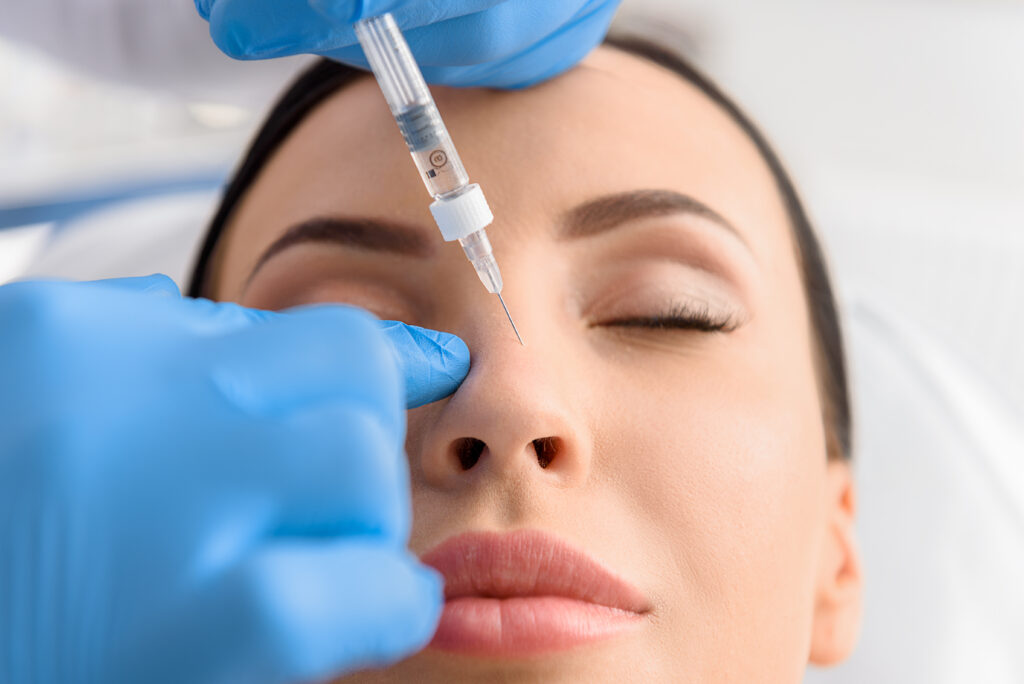
Botox has both cosmetic and medical applications. In the realm of aesthetics, it is primarily used to treat dynamic wrinkles, such as crow’s feet, forehead lines, and frown lines. The procedure involves using a fine needle to inject the Botox into specific muscles, where it inhibits the nerve signals that cause these muscles to contract. This relaxation of the muscles leads to a smoother skin surface and a more youthful appearance.
Beyond cosmetic enhancements, Botox is also utilised for various medical conditions. It can provide relief for chronic migraines, reduce excessive sweating (hyperhidrosis), and treat muscle spasms and other neuromuscular conditions. Each of these uses relies on Botox’s ability to block nerve signals, thereby alleviating symptoms and improving the patient’s quality of life.
Despite its numerous benefits, it’s essential to understand that Botox is a potent neurotoxin. Proper administration by a licensed and experienced practitioner is crucial to minimise risks and achieve the desired outcomes.
The Science Behind Botox
The science behind Botox lies in its ability to interrupt the signals from the nerves to the muscles. This interruption prevents the targeted muscle from contracting, leading to relaxation and softening of wrinkles. Botox accomplishes this by blocking the release of acetylcholine, a neurotransmitter responsible for muscle contraction. By doing so, it temporarily paralyses the muscle, making the skin appear smoother and more youthful.
According to research by Bai et al., botulism, which is caused by the toxin, can be classified into mild, moderate, and severe categories based on symptoms and severity.
Understanding the exact mechanism of Botox can provide a clearer picture of its effectiveness and potential side effects. When injected in small, controlled doses, Botox’s impact is localised to the treatment area. The effects are temporary, usually lasting between three to six months, after which muscle activity gradually resumes.
This temporary nature allows for adjustments in future treatments, enabling a tailored approach to each individual’s needs. It’s worth noting that the use of Botox isn’t limited to cosmetic applications. Its ability to block nerve signals has made it a valuable tool in treating medical conditions like chronic migraines and muscle spasms, providing relief for many patients.
As a potent neurotoxin, Botox must be administered by a qualified and experienced practitioner to ensure both safety and efficacy. This scientific foundation underscores the importance of proper application and professional oversight in achieving the desired results while minimising risks.
Types of Botox Treatments
Botox treatments can be broadly categorised into cosmetic and medical applications, each designed to address specific concerns. Cosmetic Botox primarily focuses on reducing dynamic wrinkles such as crow’s feet, forehead lines, and frown lines. By targeting the muscles responsible for these wrinkles, it helps create a smoother and more youthful appearance.
On the other hand, medical Botox treatments are utilised for a variety of conditions beyond aesthetics. For instance, Botox can be used to manage chronic migraines by targeting specific muscles that contribute to headache pain. Similarly, it is effective in treating hyperhidrosis, a condition characterised by excessive sweating, by blocking the nerve signals to sweat glands. Additionally, Botox is employed in managing muscle spasms and other neuromuscular disorders, providing significant relief for patients suffering from these ailments.
Each type of Botox treatment is tailored to address the unique needs of the patient. The procedure involves a series of injections administered in targeted areas, ensuring that the effects are localised and controlled. Due to the specialised nature of these treatments, it’s essential to consult with a qualified practitioner who can assess your specific condition and recommend the most suitable treatment plan.
Botox’s versatility in both cosmetic and medical fields highlights its significance as a treatment option. Whether you’re looking to enhance your appearance or alleviate a medical condition, understanding the different types of Botox treatments can help you make an informed choice.
Preparing for a Botox Treatment
Proper preparation can enhance the success and comfort of your Botox treatment. Start by consulting with a qualified practitioner to discuss your medical history, current medications, and any allergies you might have. This dialogue helps tailor the treatment to your specific needs and minimises the risk of complications.
In the days leading up to your appointment, it’s advisable to avoid substances that could increase bruising or bleeding at the injection site. These include alcohol, aspirin, and anti-inflammatory drugs such as ibuprofen. Herbal supplements like ginkgo biloba, garlic, and vitamin E should also be avoided as they can have similar effects.
Ensure you’re well-hydrated and have eaten something light before your procedure to maintain your energy levels and comfort during the session. Wearing minimal makeup can make it easier for your practitioner to assess the treatment areas accurately.
If you are prone to cold sores, especially around the mouth area, inform your practitioner. They may recommend antiviral medication to prevent an outbreak following the treatment. It’s also a good idea to arrange your schedule to allow for some downtime after the procedure, although most people can return to their normal activities almost immediately.
Following these preparatory steps can contribute significantly to the effectiveness of your Botox treatment and help you achieve the best possible results.
The Procedure: What to Expect
During a typical Botox session, a fine needle is used to inject small amounts of Botox into targeted muscles. Most patients report only minor discomfort, often described as a slight pinprick sensation. The procedure is remarkably quick, usually lasting about 10 to 15 minutes, which makes it convenient for those with busy schedules.
Before the injections, the practitioner may apply a topical anaesthetic or ice to numb the treatment area and increase comfort. You might be asked to make specific facial expressions to help identify the precise injection sites. The practitioner will then administer the injections, carefully targeting the muscles that contribute to wrinkles or other concerns.
Post-injection, it’s common to experience mild redness, swelling, or bruising at the injection sites, but these side effects typically subside within a few hours to a couple of days. It’s advisable to follow any aftercare instructions provided by your practitioner to maximise the treatment’s effectiveness and minimise potential side effects.
Most people can resume their normal activities almost immediately, but it’s generally recommended to avoid strenuous exercise, excessive heat, or alcohol consumption for at least 24 hours post-procedure. Notably, the full effects of Botox may take a few days to become visible, with optimal results usually appearing within one to two weeks.
Post-Treatment Care
Following your Botox treatment, adhering to specific post-care instructions can significantly enhance the effectiveness and longevity of the results. To begin with, avoid vigorous exercise and activities that may increase blood flow to the face, such as saunas or hot yoga, for at least 24 hours. This precaution helps minimise the risk of Botox migrating from the targeted muscles to unintended areas.
It’s also advisable to remain upright and avoid lying down for the first four hours post-injection. This practice helps ensure the Botox stays localised to the injection sites. Refrain from rubbing or massaging the treated areas, as this can cause the Botox to spread and potentially weaken its effectiveness.
In the initial hours following your treatment, you may experience mild redness, swelling, or bruising at the injection sites. Applying a cold compress can help alleviate these symptoms, but avoid direct pressure. Over-the-counter pain relievers, excluding aspirin and other blood-thinning medications, can be used if necessary to manage any discomfort.
If you notice any unusual symptoms such as severe pain, vision changes, or signs of an allergic reaction, contact your practitioner immediately. Regular follow-up appointments may be recommended to monitor the treatment’s effectiveness and address any concerns. By carefully following these guidelines, you can optimise your Botox results and enjoy a smoother, more youthful appearance.
Benefits of Botox Treatments
Botox treatments offer a multitude of advantages, making them a popular choice for individuals seeking both cosmetic enhancements and medical relief. One of the most appealing benefits is the minimal downtime required post-procedure, allowing most people to resume their daily activities almost immediately. This convenience makes Botox an attractive option for those with busy lifestyles who seek effective results without the recovery period associated with surgical interventions.
Another significant benefit is the customisable nature of Botox treatments. Each session can be tailored to target specific areas of concern, whether it’s reducing the appearance of dynamic wrinkles or addressing medical conditions like chronic migraines or hyperhidrosis. This flexibility allows for a personalised approach, ensuring that the treatment aligns with the individual’s unique needs and goals.
Botox is also renowned for its quick and relatively painless procedure, often described as feeling like a minor pinprick. The sessions are brief, typically lasting between 10 to 15 minutes, making it easy to fit into a lunch break or a short window of free time.
Additionally, the temporary nature of Botox effects, lasting three to six months, provides the opportunity for adjustments and refinements in subsequent treatments. This adaptability ensures that the results can be continuously improved and maintained according to the patient’s evolving preferences and needs.
Potential Risks and Side Effects
Botox is generally considered safe, but there are potential risks and side effects to be aware of. Common side effects include mild pain, swelling, and bruising at the injection sites, which usually subside within a few days. Some patients may also experience headaches, temporary drooping of eyelids, or flu-like symptoms shortly after the treatment.
In rare cases, more severe side effects can occur. These may include muscle weakness, dysphagia (difficulty swallowing), or allergic reactions. It’s essential to inform your practitioner of any unusual symptoms or adverse effects promptly. Severe side effects from cosmetic use are rare, but may include dysphagia, muscle weakness, and allergic reactions.
Another potential risk is the migration of Botox from the targeted area to surrounding muscles, which can lead to unintended effects. This underscores the importance of proper administration by a qualified practitioner. Individuals with certain medical conditions or those who are pregnant or breastfeeding should consult with their doctor before undergoing Botox treatments to ensure it is safe for them.
Infections at the injection sites, though uncommon, can also occur if proper hygiene practices are not followed. Ensuring that the treatment is conducted in a sterile environment can help mitigate this risk. Always choose a licensed and experienced practitioner to minimise potential complications and maximise the benefits of your Botox treatment.
How Long Do Botox Results Last?
The longevity of Botox effects typically ranges from three to six months. After this period, muscle activity gradually resumes, and wrinkles or lines reappear. It’s important to note that the duration can vary based on factors such as the individual’s metabolism, the area treated, and the dosage used. Regular follow-up sessions are often necessary to maintain the desired results. Interestingly, if dysphagia occurs as a side effect, it usually appears about 9.7 days post-injection and tends to last around 3.5 weeks.
Patients who undergo repeated treatments may find that the effects last longer over time, as the muscles become trained to relax. Additionally, some practitioners recommend combining Botox with other treatments to enhance and prolong the results. The temporary nature of Botox allows for adjustments in subsequent sessions, enabling a tailored approach that aligns with evolving aesthetic goals.
Cost of Botox Treatments
The cost of Botox treatments can vary significantly based on several factors, including the geographic location, the experience of the practitioner, and the specific areas being treated. Generally, Botox pricing is calculated per unit, with each treatment requiring a different number of units depending on the individual’s needs and the size of the area to be treated. For example, treating forehead lines may require fewer units than addressing more extensive areas like the crow’s feet and frown lines combined.
In metropolitan areas where the demand for cosmetic procedures is higher, you might find that prices are steeper compared to smaller towns or rural locations. Additionally, practitioners with extensive experience or specialised training may charge more for their expertise. It’s worth considering that opting for a highly qualified practitioner can be a safer choice, even if it comes at a higher price.
Some clinics offer package deals or discounts for multiple treatments, which can be a cost-effective option for those planning regular sessions. It’s also advisable to inquire whether the clinic provides a complimentary consultation to discuss your goals and provide a detailed cost estimate tailored to your specific requirements.
Be cautious of prices that seem unusually low, as this could indicate the use of diluted Botox or an inexperienced practitioner. Always ensure that the clinic maintains high standards of hygiene and uses FDA-approved products to mitigate potential risks. Research and ask for recommendations to find a reputable practitioner who can offer both quality and value for your Botox treatments.
Choosing the Right Practitioner
Selecting the right practitioner is paramount for the success and safety of your Botox treatment. Start by verifying the credentials and licensure of the practitioner. A qualified professional should have a medical degree and specialised training in administering Botox. Experience is another crucial factor; practitioners who have performed numerous Botox treatments are likely to have honed their skills and understanding of facial anatomy.
Reading reviews and testimonials from previous clients can provide insight into the practitioner’s reputation and the quality of their work. Personal recommendations from friends or family who have undergone Botox treatments can also be valuable.
During your initial consultation, observe the practitioner’s approach to patient care. They should take the time to understand your concerns, explain the procedure, and discuss potential risks and outcomes. A good practitioner will provide realistic expectations and tailor the treatment plan to your specific needs.
Assess the clinic’s environment as well. It should be clean, professional, and adhere to high standards of hygiene. The practitioner should use FDA-approved products and follow proper sterilisation procedures to minimise the risk of complications.
Transparency about pricing and the number of units required for your treatment is also essential. Be wary of deals that seem too good to be true, as they may compromise the quality of the Botox or the expertise of the practitioner.
Real-Life Testimonials
Botox treatments have transformed the lives of many, offering both cosmetic and medical benefits. For instance, individuals suffering from chronic migraines have found significant relief, enabling them to enjoy a better quality of life. In the realm of aesthetics, those concerned about wrinkles and fine lines often describe a renewed sense of confidence following their treatments. One patient noted how Botox smoothed her forehead lines, making her look more relaxed and youthful. Another mentioned the positive impact on her social life, as she felt more comfortable in social settings without the worry of visible ageing signs.
Many testimonials highlight the minimal discomfort experienced during the procedure, with some comparing it to a slight pinprick. Patients also appreciate the quick and relatively painless nature of the sessions, often fitting them into a lunch break or a brief window of free time. Regular clients often remark on the long-term benefits, noting that repeated treatments have helped maintain their youthful appearance over the years. These real-life experiences underscore the diverse applications and benefits of Botox treatments, making them a popular choice for those seeking effective solutions for both cosmetic and medical concerns.
Alternatives to Botox
For those who prefer not to undergo Botox treatments, several alternative methods can help achieve similar aesthetic results. Dermal fillers are a popular choice, offering immediate plumping and smoothing effects by injecting hyaluronic acid or other substances directly into the skin. These fillers can effectively address fine lines, wrinkles, and loss of volume, particularly in areas like the cheeks and lips.
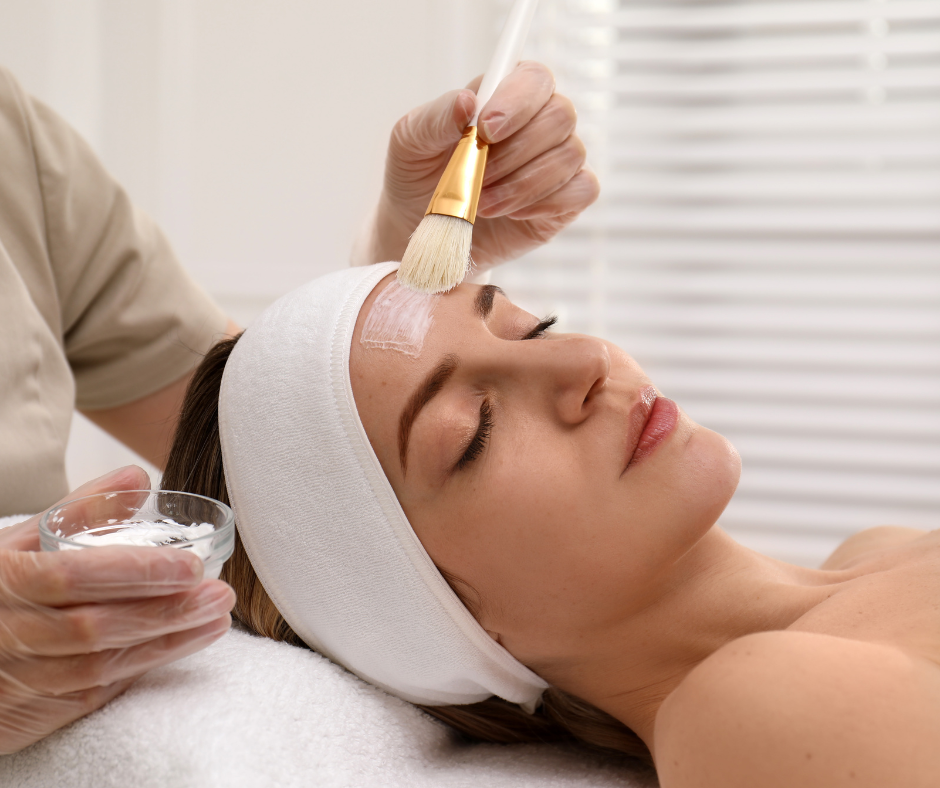
Chemical peels offer another viable option, working by exfoliating the outer layers of the skin to reveal a fresher, more youthful complexion underneath. These treatments can improve skin texture, reduce pigmentation, and minimise the appearance of fine lines.
Laser treatments utilise focused light energy to target and rejuvenate the skin. Different types of lasers can address a variety of concerns, from reducing wrinkles and fine lines to treating pigmentation issues and improving skin texture.
Microneedling is another alternative that involves creating tiny punctures in the skin to stimulate collagen production. This procedure can help with fine lines, acne scars, and overall skin rejuvenation.
Each of these alternatives comes with its own set of benefits and considerations, so it’s advisable to consult with a qualified practitioner to determine the most suitable option for your individual needs.
Frequently Asked Questions
Botox treatments are generally quick and involve minimal discomfort, often described as a slight pinprick sensation. The full effects usually become visible within one to two weeks, and results typically last between three to six months. It’s advisable to avoid vigorous exercise, excessive heat, and alcohol consumption for at least 24 hours post-procedure to maximise effectiveness and minimise potential side effects.
Mild side effects such as redness, swelling, or bruising at the injection sites are common but usually subside within a few days. More severe side effects, though rare, can include muscle weakness or allergic reactions, emphasising the importance of choosing a qualified practitioner.
Botox treatments are suitable for both men and women looking to reduce dynamic wrinkles or alleviate medical conditions like chronic migraines. It’s important to consult with a licensed practitioner to determine if Botox is appropriate for you, especially if you have underlying health conditions, are pregnant, or breastfeeding.
Regular follow-up sessions are often necessary to maintain the desired results, and some patients find that the effects last longer with repeated treatments. Always seek professional advice to ensure a safe and effective Botox experience.